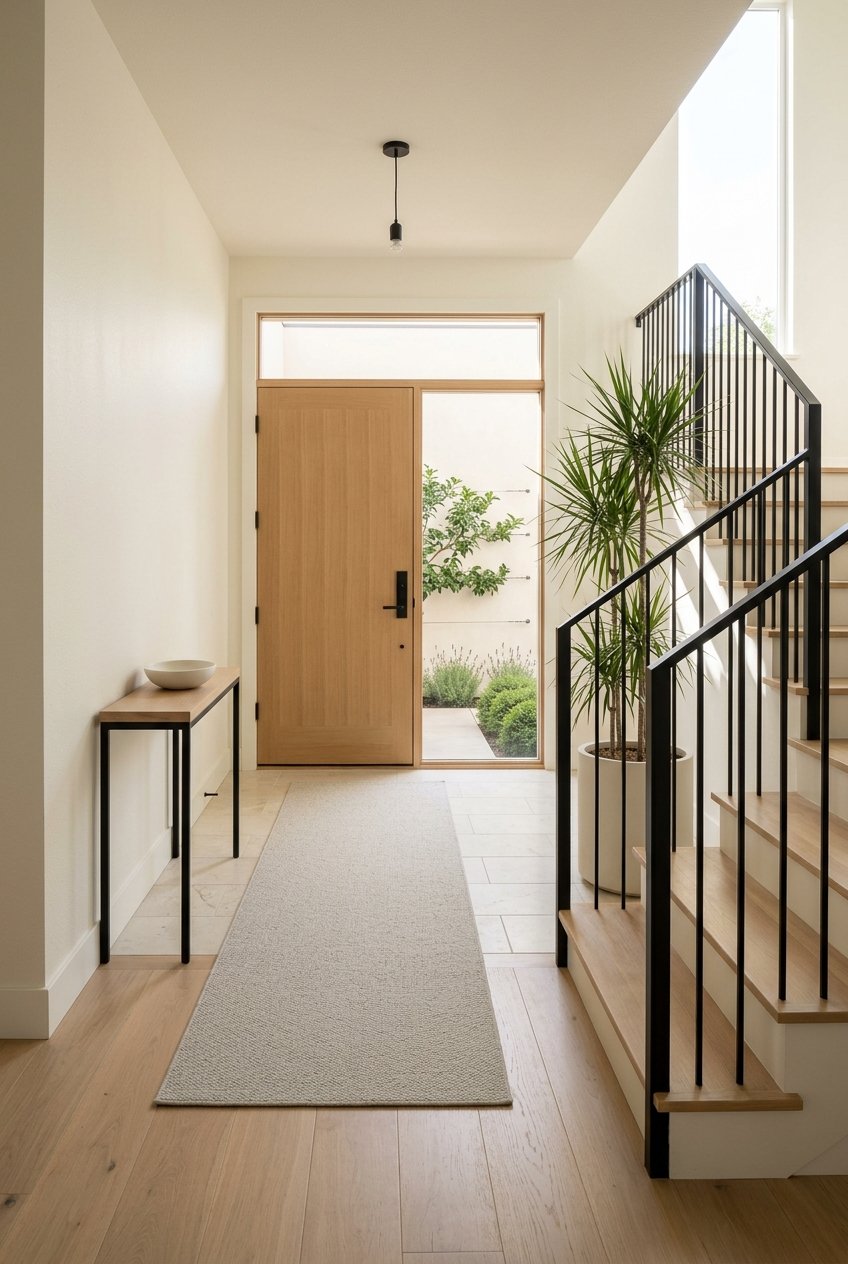
A Day In The Life Living In Fremont
June 25, 2026
June 25, 2026
If you are trying to picture daily life in Fremont, you are probably asking a simple question: what does it actually feel like to live there? That matters whether you are buying your first home, planning a move within the East Bay, or comparing Fremont with nearby cities. The good news is that Fremont offers a practical mix of parks, shopping, transit, and distinct neighborhood centers that shape everyday routines in real ways. Let’s take a closer look at what a day in Fremont can feel like.
One of the first things you notice about Fremont is that it does not revolve around one traditional downtown. Instead, daily life often centers around a handful of distinct districts, including Centerville, Niles, Irvington, Warm Springs, Mission San Jose, and the planned Downtown/City Center area.
That gives the city a more layered feel. You can run errands in one part of town, meet friends in another, and spend the evening somewhere with a completely different atmosphere. For many residents, that variety is part of Fremont’s appeal.
The city also has scale. Fremont is the fourth largest city in the Bay Area, and city materials describe it as a place to live, work, and play. With 1,224 acres of parkland, more than 500 eateries and restaurants, and more than 3,600 small businesses, your routine can stay very local without feeling limited.
A believable Fremont morning often starts with fresh air. Central Park and Lake Elizabeth are a major part of that rhythm, especially if you like to begin the day with a walk, a jog, or time at the playground.
Central Park covers more than 450 acres and includes an 80-plus-acre lake. There is a 2-mile loop trail, picnic space, sports facilities, playgrounds, and pedal boat rentals, which makes it useful for both quick weekday outings and longer weekend plans.
If your ideal morning is more active, Mission Peak is one of Fremont’s best-known outdoor landmarks. It offers a more challenging hike and draws people who want a workout with wide-reaching views. For quieter time in nature, Coyote Hills Regional Park gives you wetlands, shoreline scenery, and access to the Alameda Creek Trail.
Because Fremont is built around districts, your day can look different depending on where you spend your time.
Niles gives Fremont one of its most distinct historic settings. City planning materials describe Niles Boulevard as the district’s main street, with a pedestrian-oriented commercial area and long-running heritage retail.
In day-to-day terms, that means a more walkable, small-district feel. It is a place where a coffee stop, casual stroll, or quick browse can feel more personal than a typical shopping center run.
Mission San Jose has a town-center layout near Washington and Mission boulevards. The area is anchored by the historic mission church and museum, with commercial spaces organized around courtyards and active storefronts.
That creates a routine that feels grounded and easy to navigate. If you like neighborhoods with a clear center for errands, dining, and meetups, Mission San Jose adds that kind of structure to the city.
Irvington has a strong community-use element, especially around Wally Pond Irvington Community Center. The center sits in a 12-acre park used for sports, picnics, and gatherings.
That matters because not every part of daily life is about commuting or shopping. Some of it is about where you meet people, spend time outside, or fit in activities close to home.
Warm Springs and South Fremont bring a different energy. The area is anchored by the Warm Springs Innovation District, an 879-acre employment center planned around BART and nearby mixed-use development.
If your routine depends on transit access or a work-focused part of the city, this district can feel especially practical. It blends commuting convenience with a more contemporary, connected layout.
One of Fremont’s biggest everyday strengths is that it feels self-contained. You do not have to leave town for many of the routine things that fill up a week.
Fremont Hub is one of the city’s key shopping anchors and a central stop for errands. Pacific Commons plays a different role as a regional lifestyle center with name-brand shopping, dining, and entertainment.
Together, these centers make it easier to manage real life efficiently. Whether you are picking up essentials, grabbing a meal, or fitting in a few stops after work, Fremont supports the kind of routine that works well for busy schedules.
Food is part of how a city feels, and Fremont stands out here. City materials highlight a multilingual population, with more than 98 languages spoken in homes, along with a broad mix of family-owned international restaurants.
That means dining in Fremont feels wide-ranging and woven into everyday life. It is not just about special occasions. It is about having lots of practical choices for lunch, dinner, takeout, or a casual meal close to home.
The variety also matches the city’s overall character. Fremont feels broad, lived-in, and shaped by many communities, and the restaurant scene reflects that in a very visible way.
For many buyers, daily life is not just about where you relax. It is also about how you get around. Fremont has direct access to I-680 and I-880, along with ACE, Amtrak Capitol Corridor, and BART.
The city is served by Fremont Station in central Fremont and Warm Springs/South Fremont Station farther south. Both support realistic commute patterns for people who drive, use park-and-ride options, or lean on transit during the workweek.
That flexibility shapes the feel of the city. Fremont works for people who need movement built into their schedule, while still offering places to reset once the workday ends.
Weekend life in Fremont can go in a few different directions, which is part of what makes the city easy to settle into.
If you want an outdoors-focused Saturday, Quarry Lakes Regional Recreation Area offers swimming, fishing, boating, hiking, picnicking, and wildlife viewing. If you prefer a quieter experience, Ardenwood Historic Farm gives you a look at family-farm life from 1890 to 1930 in a working historic setting.
Niles Town Plaza and Historical Park offer another kind of weekend pace. With open lawn, picnic space, and shade structures, the area supports a slower outing that feels more walkable and neighborhood-scaled.
While every household is different, a realistic day in Fremont often follows a pretty natural rhythm. You might start with a walk near Central Park, spend midday doing errands at Fremont Hub or Pacific Commons, stop in a district like Niles or Mission San Jose for lunch, and head home after a commute by freeway or BART.
The evening can stay easy. Fremont gives you enough park space, dining variety, and shopping access to keep most of life close to home.
That is really the heart of daily life here. Fremont feels functional, varied, and well-connected, with enough distinct places to keep your routine from feeling repetitive.
Lifestyle fit matters just as much as square footage. When you buy a home, you are also choosing your commute pattern, your errand routes, your weekend options, and the places that shape your normal day.
Fremont offers a combination many buyers are looking for: district variety, strong outdoor access, practical retail centers, transit options, and a broad dining scene. If you want an East Bay city where daily life can feel both efficient and full, Fremont deserves a closer look.
If you are exploring Fremont as your next move, working with someone who understands how different parts of the city function can help you make a more confident decision. To talk through neighborhoods, commute considerations, and what might fit your goals, connect with Shawn Shokoor.
Stay up to date on the latest real estate trends.
Shawn believes buying or selling a home takes strategy, skills, and knowledge at the same time. He loves to help people! Nothing gives him greater satisfaction than seeing his clients reach their goals.
Shawn Shokoor | CA DRE# 01458772
(925) 315-9202
(408) 821-4180
[email protected]
760 Camino Ramon
Danville CA 94526
Office Hours
Monday to Sunday - 9:00 AM to 8:00 PM