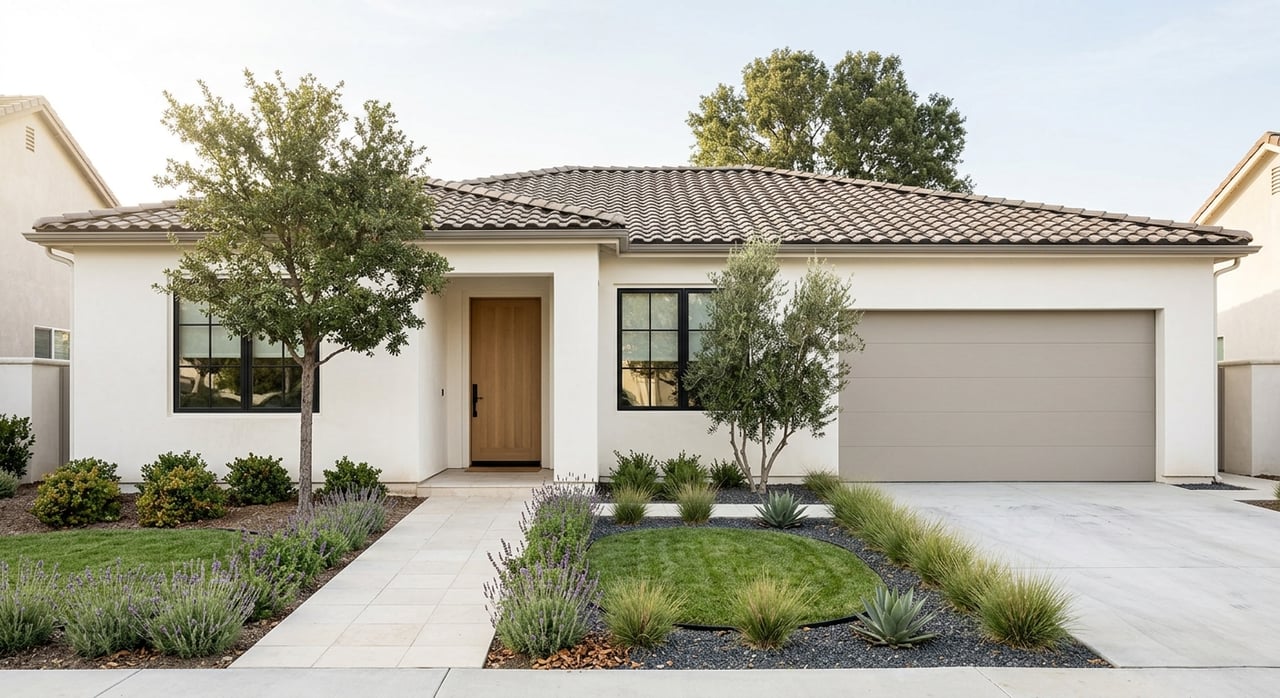
When To List Your Pleasanton Home For Maximum Impact
July 2, 2026
July 2, 2026
If you are thinking about selling in Pleasanton, timing can shape everything from buyer traffic to your final terms. You want your home to hit the market when demand is active, your property looks its best, and your move timeline still feels manageable. The good news is that Pleasanton’s recent market data points to a fairly clear pattern, and you can use it to plan with more confidence. Let’s dive in.
For most sellers, late March through May is the strongest window for maximum impact. Local 2026 market data shows homes generally moved faster in spring than in winter, with especially strong pace in March and April.
Bay East’s detached-home data for Pleasanton shows the shift clearly. January had 35 median days on market and a 99% sale-to-list ratio, while March dropped to 15 days and April tightened further to 13 days, with sale-to-list ratios at 101% and 102%.
That does not mean every seller should rush to market on the same day. It means spring usually offers the best mix of buyer energy, pricing support, and listing momentum.
Spring tends to bring more active buyers back into the market after the slower winter stretch. In Pleasanton, that broad pattern lines up with the local numbers, where homes sold faster and seller outcomes improved as the season progressed.
There are practical reasons too. Many buyers want to settle into their next home before late summer, and households planning around the August 13, 2026 start of the Pleasanton Unified school year may begin searching well before then.
If your home is fully prepared, late April or early May may offer the best balance. The research points to this period as a strong overlap between buyer activity, market momentum, and workable logistics for sellers.
Redfin’s May 2026 snapshot still showed a competitive market in Pleasanton, with a median sale price of $1,494,106, 21 median days on market, and a 100.3% sale-to-list ratio. That said, Bay East’s April data showed an even faster pace than May, which suggests that getting in just before the market gets more crowded can be smart.
Pleasanton remains competitive, but seasonality matters. Inventory and buyer activity both changed meaningfully from winter into spring.
Here is a quick look at Bay East’s 2026 detached-home trend:
| Month | Active Listings | Median DOM | Sale-to-List Ratio |
|---|---|---|---|
| January 2026 | 35 | 35 | 99% |
| February 2026 | 40 | 28 | 103% |
| March 2026 | 55 | 15 | 101% |
| April 2026 | 68 | 13 | 102% |
| May 2026 | 78 | 21 | 100% |
This pattern tells you two important things. First, buyers were more active in spring. Second, the market became busier as more listings arrived, which means strong preparation matters just as much as timing.
Summer can still be a good listing season, but it is usually more of a backup window than the peak. Demand often remains healthy, though schedules can become less predictable because of travel and local events.
In Pleasanton, summer logistics deserve extra attention. The Alameda County Fair runs from June 19 to July 12, 2026, and the fairgrounds host more than 300 events each year, while Downtown Pleasanton also has a full summer calendar that includes Concert in the Park, Hot Rod Row, and Country Fest.
If your home is near the fairgrounds or downtown, this does not mean you should avoid listing in summer. It does mean you should think carefully about traffic, parking, photographer access, and the timing of your first open houses.
If you need to launch in summer, a more deliberate plan can help:
If you miss spring, fall is often the next-best option. Buyers in fall may be highly motivated, especially those moving for work or trying to complete a purchase before year-end.
Pleasanton’s fall calendar stays active too, with events like Pleasanton Palooza in early October and Halloween Brew Crawl later in the month. If your property is close to downtown, event timing can influence showing flow just as it does in summer.
Fall buyers can be more price-sensitive, so your launch plan needs to be realistic. Accurate pricing, polished presentation, and flexible showing strategy matter even more in this season.
Winter homes can sell in Pleasanton, but sellers usually need more patience. The data suggests fewer casual buyers are shopping, and homes may take longer to move.
Bay East’s December 2025 detached-home figures showed 33 days on market and a 98% sale-to-list ratio. That is still a functioning market, but it points to a softer environment than what sellers typically see in spring.
The attached market may require even more care. Bay East’s March 2026 condo and townhome report showed 54 days on market, 3.5 months of inventory, and a 99% sale-to-list ratio, which is notably slower than the detached-home spring pace.
If your timing is flexible, Thursday is often the best day to launch. Research cited in the report identifies Thursday as the strongest day to go live, likely because it helps your listing build attention ahead of the weekend.
That can be especially helpful in Pleasanton, where a well-timed launch allows you to capture online views, private showings, and weekend open house traffic in one clean sequence. It is a small detail, but small details can add up.
Pleasanton has an unusually active event calendar, so your listing plan should account for it. This is not just about marketing. It is also about access, parking, convenience, and the buyer experience during showings.
For homes near Main Street or the fairgrounds, event weekends can change traffic patterns and make open houses feel more complicated. In some cases, it may be smarter to use the event as part of the lifestyle story while scheduling tours and opens around the busiest hours.
Keep an eye on:
A strategic seller does not just ask, “When should I list?” A better question is, “When will buyers have the best experience seeing my home?”
One of the biggest mistakes sellers make is waiting too long to prepare. If your goal is a late April or May launch, the research suggests you should begin planning three to four months earlier.
That prep window gives you time for repairs, disclosures, staging, photography, and overall pricing strategy. It also gives you room to make thoughtful updates instead of rushed ones.
For Pleasanton sellers, this is where strong process management can really protect value. If your home needs cosmetic improvements before listing, planning ahead can help you choose the right work and avoid missing the spring window.
If you need to buy another home after selling, your listing calendar should be built backward from your ideal move date. In many cases, it makes more sense to protect your sale timing first, then structure the transition carefully.
The research report points to several common tools sellers use during this move. These include extended closings, rent-back agreements, sale contingencies, settlement contingencies, bridge loans, and HELOCs.
In a Pleasanton move-up situation, one of the cleanest approaches is often:
This approach can give you more flexibility without sacrificing the timing of your sale. It also helps reduce the pressure to force a listing into a weaker season just because your next move is complicated.
The best time to list your Pleasanton home is not just about the month on the calendar. It is about combining the right season with the right pricing, presentation, and launch plan.
Based on the current research, late March through May is the most defensible window for maximum impact, with late April or early May often standing out as the best balance. If you are ready, a Thursday launch and smart scheduling around local events can make that window work even harder for you.
If you want a thoughtful plan for timing, preparation, and your next move, Shawn Shokoor can help you map out a strategy that fits your goals.
Stay up to date on the latest real estate trends.

Shawn believes buying or selling a home takes strategy, skills, and knowledge at the same time. He loves to help people! Nothing gives him greater satisfaction than seeing his clients reach their goals.
Shawn Shokoor | CA DRE# 01458772
(925) 315-9202
(408) 821-4180
[email protected]
760 Camino Ramon
Danville CA 94526
Office Hours
Monday to Sunday - 9:00 AM to 8:00 PM