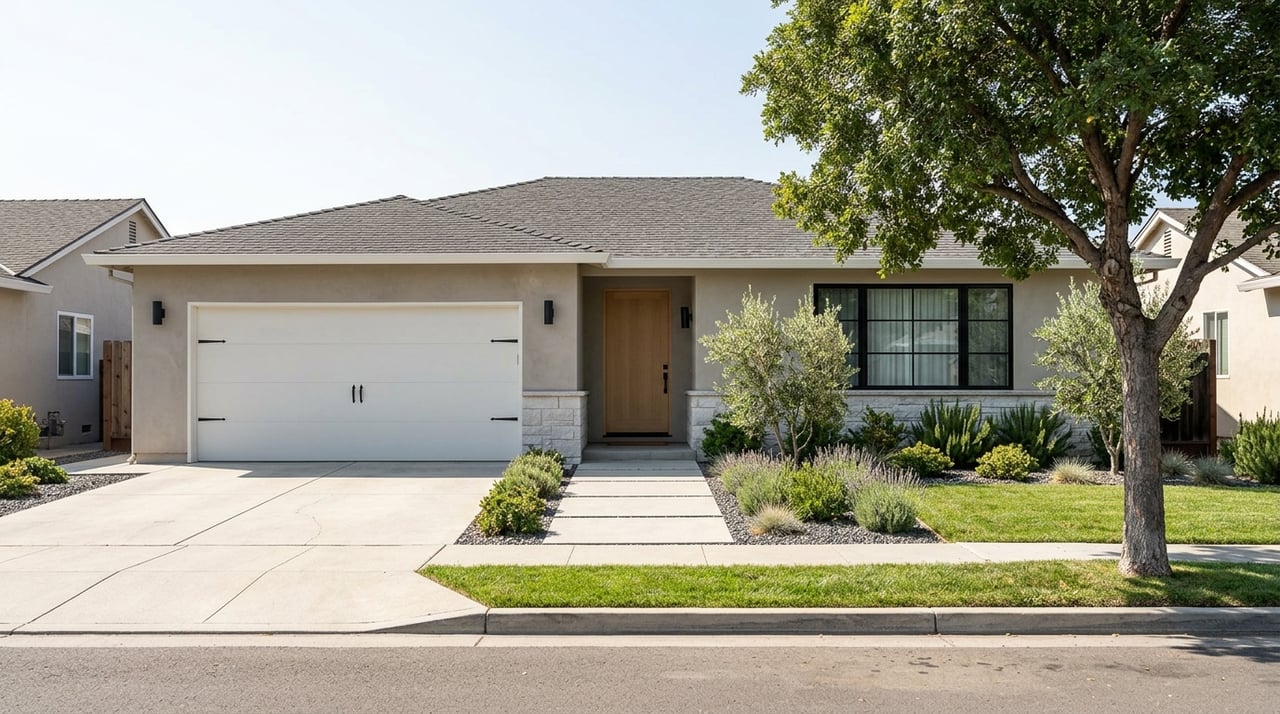
Fremont Neighborhood Commute Guide for Home Buyers
April 16, 2026
April 16, 2026
Your commute can shape your whole day, and in Fremont, the right neighborhood can make a real difference. If you are trying to balance rail access, freeway convenience, and the type of home you want, it helps to look beyond broad neighborhood names and focus on how you will actually travel. This guide breaks down Fremont neighborhoods through a commute-first lens so you can compare your options with more confidence. Let’s dive in.
Before you narrow down neighborhoods, get clear on how you plan to commute most often. In Fremont, that usually means choosing between four main patterns: walking to transit, driving to a station and parking, using ACE/Amtrak, or relying on freeway access.
That step matters because Fremont’s average travel time to work is 30.3 minutes according to the U.S. Census QuickFacts for Fremont. A few miles closer to the right station or freeway on-ramp can change your daily routine in a meaningful way.
Fremont’s main transit anchors are relatively easy to map. Fremont Station serves central Fremont, Warm Springs/South Fremont BART anchors the south end of the city, and the Fremont-Centerville station connects riders to ACE and Amtrak service. On the driving side, city mobility maps show I-880 to the west, I-680 to the east, and routes like 84 and 238 crossing the city.
Choosing the right Fremont neighborhood is not just about being in the right part of town. It is also about how easily you can reach the station platform, the bus stop, or the freeway on-ramp you will use most.
The City of Fremont highlights recurring congestion areas around Decoto/I-880, Fremont/Decoto, Mowry/Mission, Mission/680, and Auto Mall/Grimmer in its mobility and planning materials. That means two homes in the same general area can feel very different in practice if one has a smoother path to your route.
If you want to reduce car time and stay close to transit, a few Fremont neighborhoods stand out more clearly than others.
Downtown is one of the strongest choices if you want a BART-centered routine. The city defines Downtown as the area bounded by Mowry Avenue, Walnut Avenue, Paseo Padre Parkway, and Fremont Boulevard, with planning tied closely to pedestrian connections to Fremont BART and long-term mixed-use growth in the Downtown and City Center area.
For buyers, that usually means a housing mix that leans more toward condos, apartments, and mixed-use buildings than traditional detached homes. If your top priority is being close to rail and keeping your commute simple, Downtown is often the most direct fit.
Centerville is a strong option if you want rail access in a more suburban-feeling setting. The city describes it as a historic community centered around the train station, with connections along Fremont Boulevard and Decoto Road to Union City BART, Fremont BART, and the Dumbarton Bridge corridor in the Centerville community planning documents.
This area becomes especially relevant if you are considering ACE weekday service south toward Great America, Santa Clara, and San Jose. It can also appeal if you want a neighborhood that feels less dense than Downtown while still staying commute-conscious.
Irvington sits in a useful middle ground between current convenience and future transit value. Fremont planning documents describe it as a walkable neighborhood with residential mixed uses, shopping, dining, and proximity to the planned Irvington BART station, with Fremont Boulevard functioning as an important multimodal corridor.
For you as a buyer, Irvington may make sense if you want both street-level convenience and a location that could benefit from future transit improvements. It is often less about immediate rail adjacency and more about balancing access, flexibility, and neighborhood feel.
If your work takes you toward San Jose or other Silicon Valley destinations, your ideal Fremont neighborhood may look different.
Warm Springs is one of Fremont’s clearest commute-focused picks for southbound travel. The city’s Warm Springs/South Fremont planning framework centers on a transit-oriented district around the BART station, within an area bounded by I-880, I-680, Auto Mall Parkway, and Mission Boulevard.
BART also identifies Warm Springs/South Fremont Station as the southernmost station in Alameda County. If you want BART access toward Berryessa/North San Jose, plus good freeway options, Warm Springs is often the most straightforward place to start.
The housing mix here is also shaped by planned multi-family growth, which points to newer and denser transit-oriented options. If you are open to condos, apartments, or newer attached housing near transit, this area deserves a close look.
If your southbound commute is more freeway-based than rail-based, the Mission side of Fremont may fit better. City maps place this area near I-680, and the Mission Ranch design guidelines describe a lower-density residential pattern with many low, single-story ranch homes.
That gives the area a different feel from transit-oriented parts of the city. If you value a more traditional detached-home setting and plan to drive most days, Mission-area neighborhoods can be a practical match.
If your job is in Oakland or elsewhere in the central East Bay, quick access to Fremont BART or nearby rail connections often matters most.
Downtown is a natural fit for Oakland commuters because of its connection to Fremont BART. According to BART’s Fremont Station information, Fremont-linked service connects riders to Oakland stations including Lake Merritt and West Oakland.
That makes Downtown one of the most natural rail-first choices if you want to simplify an Oakland-bound routine. It is especially helpful if you prefer a walkable trip to transit rather than driving across town before the train even starts.
Centerville is also worth considering for East Bay commuters, especially if you want more than one possible travel pattern. Between ACE/Amtrak relevance, road links to other transit points, and access toward the west side of Fremont, it can offer more flexibility than buyers expect.
If your schedule changes or you split time between East Bay destinations and South Bay meetings, Centerville can be a strong middle-ground option.
If your work points toward Palo Alto, Menlo Park, or the Dumbarton Bridge corridor, a different set of neighborhoods rises to the top.
Centerville is often the first place to consider for Peninsula-oriented travel. The city notes a weekday AC Transit Line U connection along Fremont Boulevard linking Fremont Station and Stanford through the Dumbarton Bridge corridor.
That gives the area added relevance for commuters heading west. If your routine combines bus, rail, or bridge travel, Centerville has strong practical value.
Ardenwood is a more freeway-oriented option for reverse commuters. The city describes Ardenwood as a technology hub near Highway 84 and I-880, with convenient access toward Palo Alto, Mountain View, Sunnyvale, and other Silicon Valley job centers in its Ardenwood area information.
If you plan to drive and want to stay close to the 84 corridor, Ardenwood can make a lot of sense. It is typically more car-dependent than rail-dependent, so it works best for buyers who are comfortable with that tradeoff.
One of the smartest ways to narrow your search is to compare commute direction and home type at the same time. That can save you from falling in love with a home style that does not really support your daily routine.
Here is a simple way to think about it:
For example, Fremont’s design guidelines describe Glenmoor Gardens as a postwar ranch-house neighborhood with a low, single-story scale, while Niles is known for historic bungalows, Craftsman, and Spanish Revival homes in the city’s planning materials. Those differences matter just as much as station proximity when you are choosing where to live.
Once you narrow the map, it helps to test the commute in real life before making an offer. A neighborhood can look ideal on paper but feel very different during the hours you will actually travel.
Here are a few smart checks to make:
Both Fremont BART and Warm Springs/South Fremont offer paid parking and reserved parking options. If station parking is part of your plan, that practical detail can influence which neighborhood feels easiest day to day.
If your office location is fixed, start with the neighborhood that best matches that direction of travel. If your work setup is flexible or changing, neighborhoods with a balanced rail-and-drive setup may give you more long-term flexibility.
In many cases, Downtown and Warm Springs are the easiest fallback choices because they combine BART access, transit connections, and driving convenience. Centerville can also be a strong contender if you want suburban character with useful rail and corridor access.
The right Fremont neighborhood is rarely the one with the most buzz. It is the one that supports the way you actually live, travel, and want to come home at the end of the day.
If you want help comparing Fremont neighborhoods based on your commute, housing goals, and long-term plans, Shawn Shokoor can help you build a focused strategy and search with more confidence.
Stay up to date on the latest real estate trends.

Shawn believes buying or selling a home takes strategy, skills, and knowledge at the same time. He loves to help people! Nothing gives him greater satisfaction than seeing his clients reach their goals.
Shawn Shokoor | CA DRE# 01458772
(925) 315-9202
(408) 821-4180
[email protected]
760 Camino Ramon
Danville CA 94526
Office Hours
Monday to Sunday - 9:00 AM to 8:00 PM