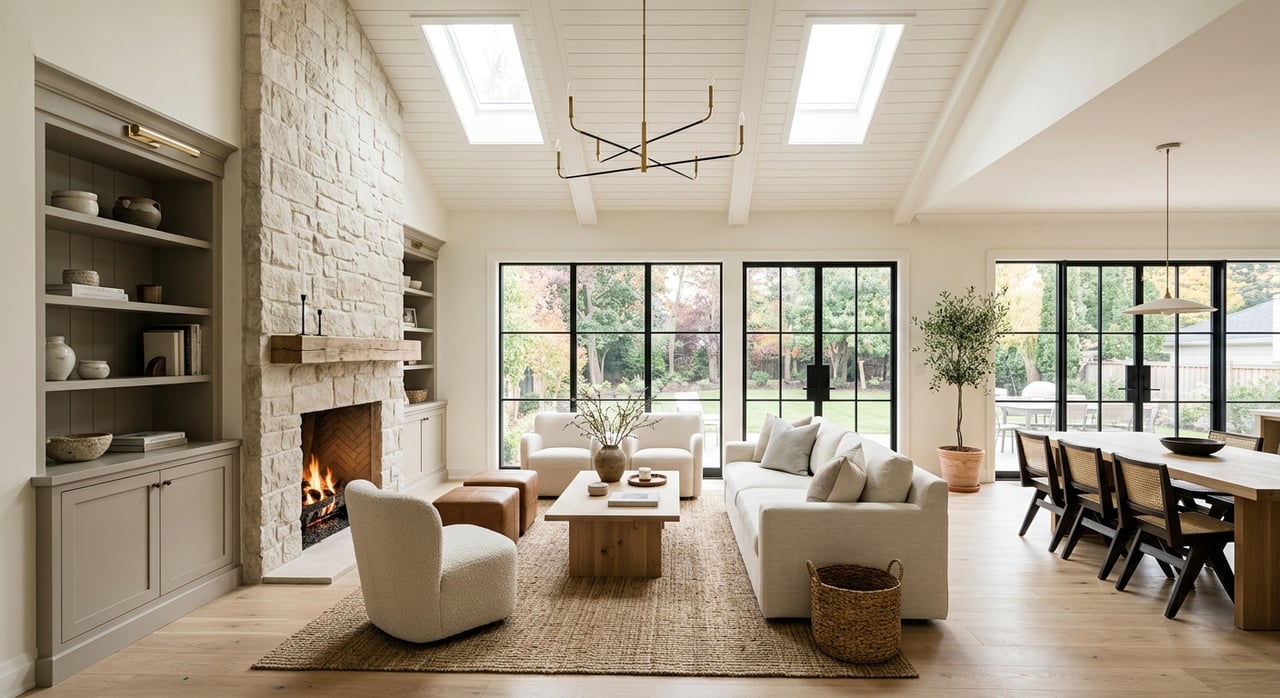
Hayward Real Estate Value for East Bay Buyers
May 21, 2026
May 21, 2026
Wondering whether Hayward is the East Bay spot where your budget stretches further? If you have been comparing prices across Alameda County and feeling squeezed by higher-cost cities, that question is worth asking. The good news is that Hayward makes a strong value case for many buyers, especially if you want a detached home, newer housing options, or solid commute access. Let’s take a closer look.
If you are shopping across the East Bay, Hayward sits in an interesting middle ground. It is not the cheapest option in every category, but it is often more attainable than several nearby cities that many buyers also consider.
In Bay East’s April 2026 reports, Hayward’s median sale price for detached homes was $980,000. That was lower than Oakland at $1,008,000, Alameda at $1,390,000, Berkeley at $1,685,000, Fremont at $1,875,000, Castro Valley at $1,205,000, and Union City at $1,400,000. San Leandro came in lower at $890,000.
For attached homes, the picture is more mixed. Hayward’s median was $620,000, which was above Oakland at $549,000 and San Leandro at $551,500, but below Union City at $635,000, Alameda at $770,000, Castro Valley at $810,000, Fremont at $825,000, and Berkeley at $970,000.
If your goal is a detached home, Hayward stands out more clearly. A median price of $980,000 puts it below many well-known East Bay submarkets while still offering access to Alameda County and a central location.
Price per square foot also helps tell the story. Hayward detached homes averaged $642 per square foot, compared with Oakland at $666, Alameda at $824, Berkeley at $965, Fremont at $1,065, Castro Valley at $755, and Union City at $826. That does not mean every listing is a bargain, but it does suggest buyers may find more space for the money in Hayward than in several nearby cities.
If you are buying a condo or townhome, Hayward can still make sense, but the value case is less automatic. Its attached median price is lower than several cities, yet it is not lower than Oakland or San Leandro.
Hayward’s attached price per square foot was $525, which was very close to Oakland at $520 and above San Leandro at $431. It was still below Alameda at $580, Castro Valley at $560, Union City at $563, and far below Berkeley at $777.
That means the answer depends on what you want. If you are focused on attached housing, Hayward may be a smart comparison city, but not always the lowest-priced one.
Hayward’s appeal is not just about being less expensive than some neighbors. The city’s planning documents show a long-term focus on adding housing near transit and jobs, which gives buyers access to product types that can be harder to find in more built-out areas.
The city’s Housing Element says Hayward is promoting a diversity of housing types and focusing new housing near transit and jobs. The city’s Housing Resources page says new residential development is expected mainly in the Downtown Specific Plan, Mission Boulevard Specific Plan, and former Route 238 Corridor.
Hayward’s Housing Resources also identifies 2,073 units across 32 planned, approved, or proposed projects that were not yet permitted at the time of reporting. For buyers, that supports a broader story: Hayward is actively planning for more housing choices rather than relying only on older existing inventory.
Hayward’s land-use planning points to a shift away from older low-density, auto-oriented patterns and toward smart growth. City documents highlight transit-oriented development efforts in Downtown, the Cannery Neighborhood, the South Hayward BART station area, and the Mission Boulevard Corridor.
BART’s 2026 Hayward Station transit-oriented development materials also describe a vision for a denser urban center with mid-rise housing and improved walk, bike, and transit connections. For you as a buyer, that can mean more chances to consider newer attached homes, infill projects, and station-area housing over time.
This matters because value is not only about today’s price. It can also come from finding the type of home you want in a location that is seeing deliberate public investment and long-range planning.
One reason Hayward keeps showing up on buyers’ radar is access. The city says it offers convenient connections to I-880, I-580, Highway 92, and Route 238, along with AC Transit, BART, and Capitol Corridor service.
Hayward also has two BART stations, which gives buyers another layer of flexibility. The city describes Hayward Station as being near a pedestrian-friendly downtown with housing, shops, offices, and restaurants, while BART confirms South Hayward Station service on the Richmond/Berryessa and Berryessa/Daly City lines.
If you are comparing options, this can matter a lot. Alameda has no BART stations inside the city, while Berkeley and Oakland offer broader station coverage but often at higher detached price points. Hayward can offer a useful balance between price and transportation access.
No city is the best fit for every buyer, and Hayward is no exception. Its planning documents describe a community that still includes older low-density, auto-oriented areas alongside newer smart-growth and transit-oriented districts.
In practical terms, you may gain more space, a newer build, or a better price point, but you may not get the same consistently dense, walk-everywhere experience that some buyers look for in Berkeley or central Oakland. That does not make Hayward less appealing. It just means the value proposition is tied to your priorities.
For many buyers, yes. Hayward looks like a credible value play if you want a detached home below the price of many neighboring East Bay cities, or if you are interested in newer housing tied to transit-oriented growth.
The strongest case is in detached homes, where Hayward undercuts many nearby submarkets on both median price and price per square foot. In attached homes, the story is more selective, since Oakland and San Leandro are lower on median price.
The smart move is to compare Hayward by property type, location, commute needs, and long-term goals. When you do that, Hayward often stands out as one of the more balanced choices in the East Bay.
If you are weighing Hayward against Fremont, Castro Valley, Union City, Alameda, or Oakland, a side-by-side strategy can help you see where the best fit really is. For thoughtful guidance on comparing East Bay options, reach out to Shawn Shokoor.
Stay up to date on the latest real estate trends.
Shawn believes buying or selling a home takes strategy, skills, and knowledge at the same time. He loves to help people! Nothing gives him greater satisfaction than seeing his clients reach their goals.
Shawn Shokoor | CA DRE# 01458772
(925) 315-9202
(408) 821-4180
[email protected]
760 Camino Ramon
Danville CA 94526
Office Hours
Monday to Sunday - 9:00 AM to 8:00 PM