Newark CA Waterfront Living: What to Expect
June 4, 2026
June 4, 2026
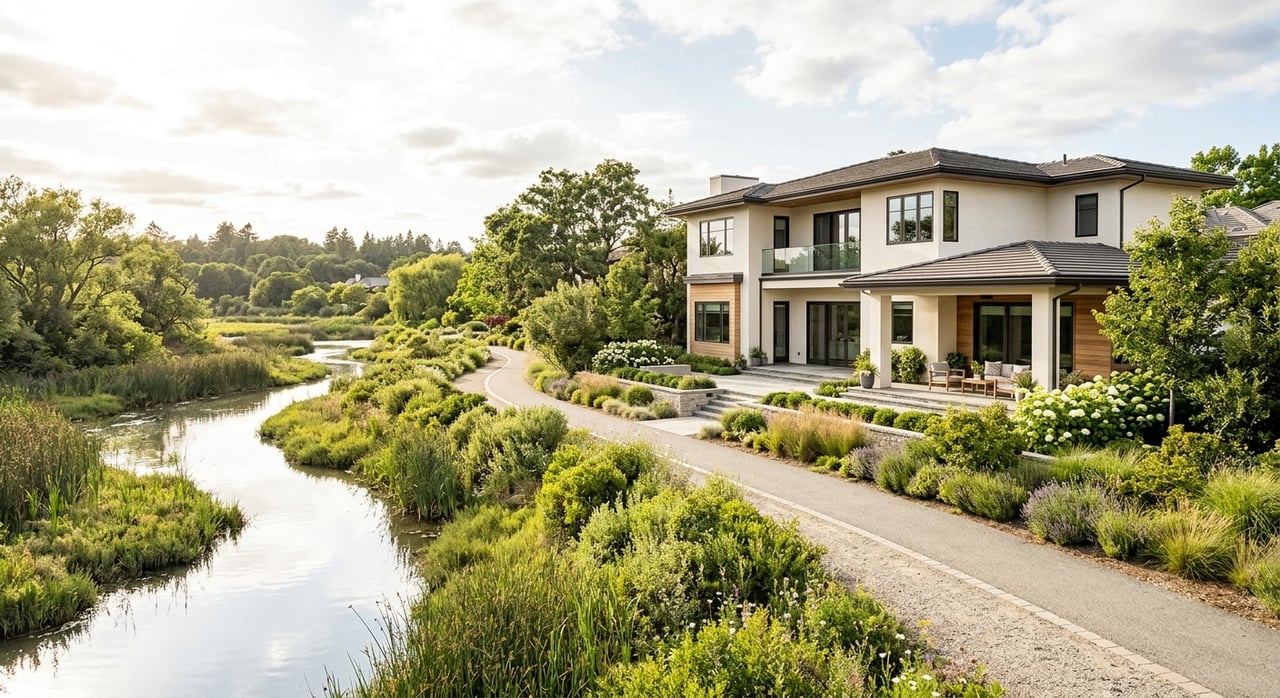
If you picture waterfront living as docks, marinas, and rows of homes facing open water, Newark may surprise you. Here, living near the water is more about bay-edge trails, wetlands, refuge land, and easy access to outdoor space than a traditional residential shoreline. If you are considering Newark, this guide will help you understand what that lifestyle really looks like, where it shows up in the city, and what tradeoffs to keep in mind before you buy. Let’s dive in.
Newark sits on the southeast edge of San Francisco Bay, between Fremont and Union City. Its connection to the water comes largely through the bay shoreline, wetlands, and trail systems rather than a long stretch of homes directly on the waterfront.
That distinction matters when you are deciding whether Newark fits your goals. If you want daily access to marsh views, flat walking and biking routes, and a nature-focused setting with practical East Bay access, Newark can be a strong match.
The Bay Trail helps define Newark’s near-water identity. Regional agencies describe it as part of a larger trail network designed to support recreation, access to neighborhoods, and commuting for pedestrians and cyclists.
In Newark, that lifestyle is anchored by Don Edwards San Francisco Bay National Wildlife Refuge and nearby Coyote Hills Regional Park. Together, they create the kind of bay-edge experience many buyers are looking for when they say they want to live close to the water.
One of the most notable local routes is the Newark Slough Trail. According to the U.S. Fish & Wildlife Service, it crosses Newark salt ponds from the Shoreline Trail to Apay Trail in Coyote Hills Regional Park, stretches 1.41 miles, and is mostly flat compacted dirt levee.
For many buyers, that means a simple, scenic option for walking, running, biking, birding, and wildlife watching. It also means you should expect true wetland conditions, including mud after rain and a more natural setting rather than a polished promenade.
Coyote Hills Regional Park gives you another major outdoor anchor near Newark. The park covers 1,266 acres and is known for hiking, jogging, bicycling, bird watching, nature exploration, and picnicking.
If you want a paved route, the park’s 3.5-mile Bay View Trail is especially useful. East Bay Regional Park District notes that it is a paved loop for hiking and bicycle riding, with views of San Francisco Bay and the peninsula hills, and it connects with additional trail systems nearby.
If you are searching for a home in Newark with a water-adjacent feel, it helps to think in terms of access and lifestyle rather than direct waterfront housing. Newark’s housing patterns are still largely suburban, but several areas and plans stand out.
The clearest official example of a bay-oriented residential vision is Bayside Newark, formerly the Dumbarton Transit-Oriented Development plan. The city describes it as a proposed 200-acre neighborhood in western Newark near Willow Street and Enterprise Drive, with housing, retail, employment opportunities, parks, open space, and a bayside trail.
The city’s concept includes higher-density condos closest to a proposed commuter rail station, medium-density townhomes farther out, and single-family homes beyond that. The important point is that this is a planned development concept, not a completed neighborhood, so buyers should treat it as a future-oriented area to watch rather than current built inventory.
If your goal is a more connected daily lifestyle, Old Town Newark may be worth watching. The city’s plan for the area emphasizes a mixed-use neighborhood with stronger pedestrian and bicycle priority, gathering spaces, and a range of housing choices.
That can appeal to buyers who want some walkability in town while still being a short drive from Newark’s bay-edge outdoor amenities. It is not a waterfront district, but it fits buyers who want balance between neighborhood convenience and access to nature.
NewPark Place is Newark’s main retail and entertainment destination, and it also offers a lifestyle reference point for buyers who value convenience. City redevelopment documents include a 319-unit residential and retail mixed-use project with amenities such as a bike shop, co-work space, fitness room, pool courtyard, and enclosed parking.
For some buyers, that kind of setup works well with a water-adjacent lifestyle. You can enjoy a more connected home base in town while using the shoreline, refuge, and regional parks as part of your regular routine.
Newark is still rooted in a post-war suburban housing pattern. The city says its housing stock is diversifying through accessory dwelling units, triplexes, townhomes, apartment buildings, and condominium complexes, but single-family homes remain a familiar part of the local landscape.
That means you should not expect a classic coastal housing pattern with rows of cottages or marina-front condos. In Newark, living near the water usually means living in a suburban setting with convenient access to bay-edge open space.
For the right buyer, Newark’s shoreline access can shape everyday life in a meaningful way. The appeal is less about dramatic waterfront views from your window and more about how easy it can be to build outdoor habits into your week.
Newark works well if you want relatively flat terrain and marsh scenery. The Newark Slough Trail offers a daily-use route that feels open, quiet, and tied to the bay ecosystem.
That can be a nice contrast to steeper regional parks or more urban walking routes. Just remember that conditions can change with weather, especially after rain.
Cyclists benefit from multiple trail connections in and around Newark. East Bay Regional Park District says the Alameda Creek Regional Trail is accessible from several thoroughfares in Fremont, Union City, and Newark, allows bikes, and prohibits motor vehicles.
Coyote Hills adds another useful option with the paved Bay View Trail and links to surrounding routes. If you enjoy recreational riding or using trails as part of an active lifestyle, Newark offers more connectivity than many buyers expect.
The shoreline near Newark stands out for wildlife and habitat. Refuge trails pass through salt ponds and wetland environments, with birdlife and marsh ecology that make the area feel like a living bay system rather than just an overlook.
That quality gives Newark a distinct identity. If you enjoy bird watching, open skies, and the feeling of being close to protected natural space, this is one of the city’s strongest lifestyle advantages.
Even with its shoreline access, Newark remains a practical suburb. The city notes that residents have easy access to I-880 and State Route 84, while nearby BART stations in Fremont and Union City and AC Transit routes provide regional transit options.
That mix can be appealing if you want outdoor access without giving up East Bay connectivity. You can enjoy trails and refuge land while still staying tied into work, shopping, and neighboring cities.
A smart home search always looks at both lifestyle benefits and practical realities. In Newark, living near the water comes with a few important considerations.
Newark says sea level rise will affect residents, businesses, and infrastructure, and the city is developing a Sea Level Rise Vulnerability Assessment and Adaptation Strategy. The city also notes that heavy rain combined with high tide can create localized flooding when drainage cannot empty to the Bay.
That does not mean every near-water home faces the same conditions, but it does mean buyers should pay close attention to location-specific due diligence. Understanding the surrounding environment is part of making a confident decision.
Newark is not a resort-style waterfront community. The city describes a mix of residential, commercial, office, park, hotel, school, college, and industrial uses, and it also acknowledges odor complaints in some neighborhoods.
For buyers, the key is setting the right expectation. Newark’s near-water appeal is real, but it is best understood as suburban, mixed-use, and nature-oriented rather than polished waterfront living.
Newark can be a very good fit if you value bay-shore access, flat trails, cycling links, birding, and marsh views in a suburban East Bay setting. It may be especially appealing if you want access to outdoor space without needing a traditional waterfront home.
The best choice depends on how you want to live day to day. If you are comparing Newark with nearby cities, it helps to look beyond simple map distance to the Bay and focus on housing type, trail access, commute patterns, and long-term neighborhood plans.
If you want help comparing Newark neighborhoods, evaluating future-oriented areas, or finding the right balance between outdoor lifestyle and everyday convenience, Shawn Shokoor can help you build a smart strategy.
Stay up to date on the latest real estate trends.




Shawn believes buying or selling a home takes strategy, skills, and knowledge at the same time. He loves to help people! Nothing gives him greater satisfaction than seeing his clients reach their goals.
Shawn Shokoor | CA DRE# 01458772
(925) 315-9202
(408) 821-4180
[email protected]
760 Camino Ramon
Danville CA 94526
Office Hours
Monday to Sunday - 9:00 AM to 8:00 PM